Overcoming Winter Challenges in Recovery in New Hampshire


Understanding Winter Challenges in Recovery
Winter in New Hampshire presents unique challenges for those in recovery. The cold months can exacerbate feelings of isolation and depression, making it crucial to develop strategies to maintain your recovery journey. Understanding these challenges and preparing for them can make a significant difference.
Seasonal Affective Disorder (SAD) is a common issue during winter, characterized by mood changes and depression. Individuals in recovery may find their symptoms intensifying, making it harder to stay on track. Recognizing the signs early can help in managing them effectively.

Staying Active and Engaged
Physical activity is essential for mental and physical well-being. Despite the cold, finding ways to stay active can boost your mood and energy levels. Consider indoor activities like yoga or joining a local gym, or embrace the winter with snowshoeing or skiing.
Engagement with community and support networks is equally important. Attend local support groups or virtual meetings to maintain connections. Sharing experiences and challenges with others can provide encouragement and reduce feelings of loneliness.
Creating a Winter Wellness Plan
A structured wellness plan can help you navigate winter effectively. Include activities that promote relaxation and joy, such as reading, crafting, or listening to music. Scheduling these activities can provide a sense of routine and stability.
Nutrition also plays a vital role in recovery. Ensure your diet is balanced and nourishing, as a healthy body supports a healthy mind. Consider incorporating foods rich in omega-3 fatty acids and vitamin D, which can improve mood and energy.

Utilizing Professional Support
Professional support can be a valuable resource during the winter months. Therapists and counselors can offer guidance and coping strategies tailored to your needs. Don't hesitate to reach out if you feel overwhelmed or stuck.
Many recovery centers in New Hampshire offer winter-specific programs and workshops. These programs can provide additional tools and support to help you maintain your recovery journey through the challenging season.
Embracing the Positives of Winter
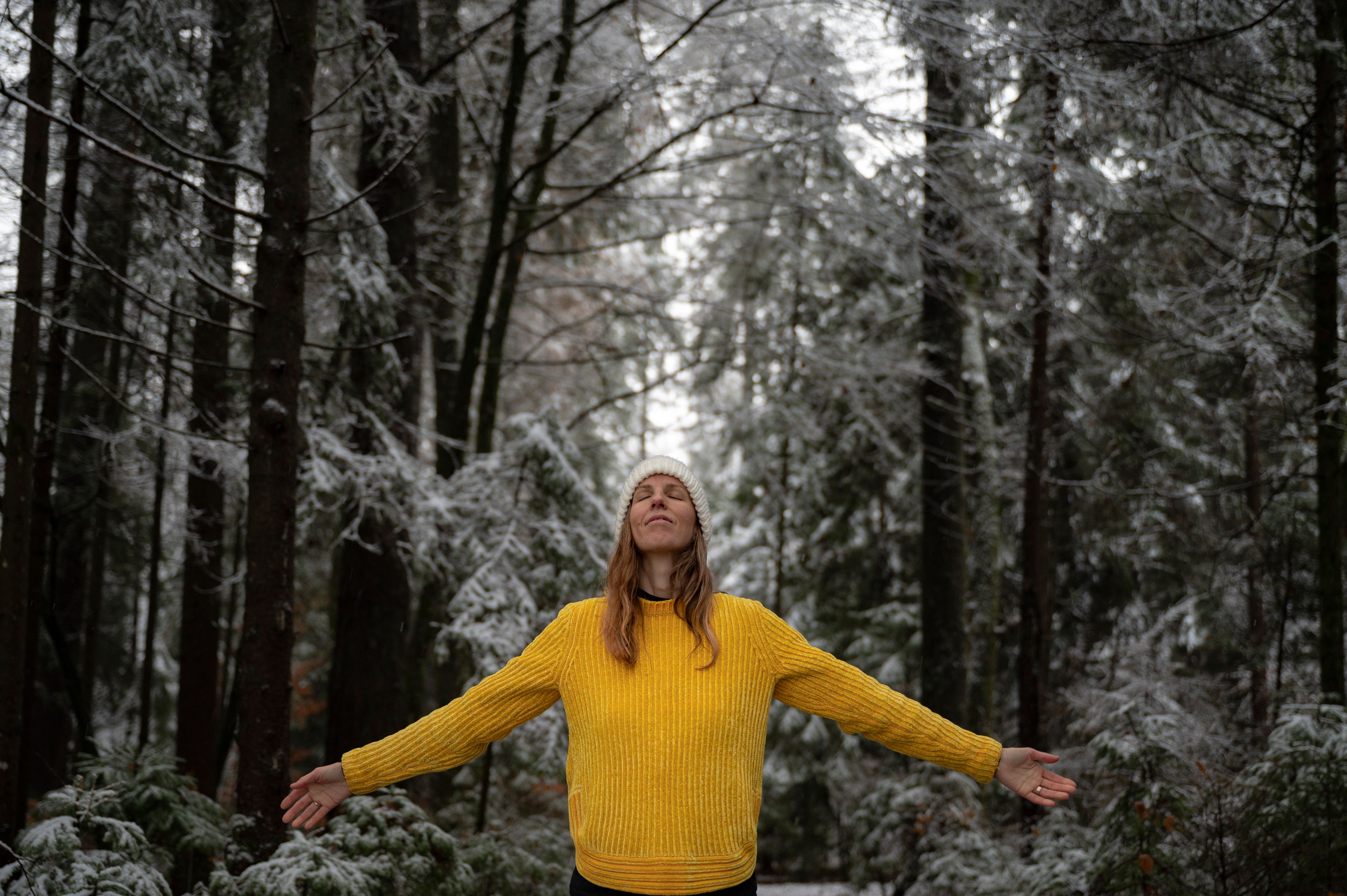
While winter can be challenging, it also offers unique opportunities for personal growth and reflection. Embrace the beauty of the season by spending time in nature, whether it's a walk in the snow or simply enjoying the serene landscape.
Practicing mindfulness and gratitude can also enhance your recovery experience. Take time each day to reflect on your progress and acknowledge the positive aspects of your journey. This practice can foster a resilient mindset and improve overall well-being.
Conclusion
Overcoming winter challenges in recovery requires preparation, support, and a positive outlook. By staying active, connected, and mindful, you can successfully navigate the cold months and continue your path to recovery. Remember, every step forward is a victory, and winter is just another season on your journey.