Understanding the Benefits of Outpatient vs. Inpatient Rehab in New Hampshire


Introduction to Rehab Options
Rehabilitation is a critical step in the journey to recovery from addiction. In New Hampshire, individuals seeking treatment have two primary options: outpatient and inpatient rehab. Understanding the benefits and distinctions between these options can help individuals make informed decisions about their recovery path.

What is Outpatient Rehab?
Outpatient rehab allows individuals to receive treatment while maintaining their daily routines. This type of program is ideal for those with mild to moderate addiction levels, who have a supportive home environment. Patients attend scheduled treatment sessions and return home afterward, offering a flexible approach to recovery.
Benefits of Outpatient Rehab
The flexibility of outpatient rehab is one of its most significant advantages. Patients can continue working, attending school, or caring for family members. It is also generally more affordable than inpatient rehab, making it accessible for those with budget constraints.

Understanding Inpatient Rehab
Inpatient rehab, also known as residential treatment, requires patients to reside at the treatment facility for the duration of their program. This immersive environment is designed for individuals with severe addiction, providing constant support and supervision.
Benefits of Inpatient Rehab
Inpatient rehab offers a structured environment, minimizing the risk of relapse by eliminating external temptations. With 24/7 access to medical and therapeutic support, patients can focus entirely on recovery. This approach is beneficial for those who need intensive care and supervision.
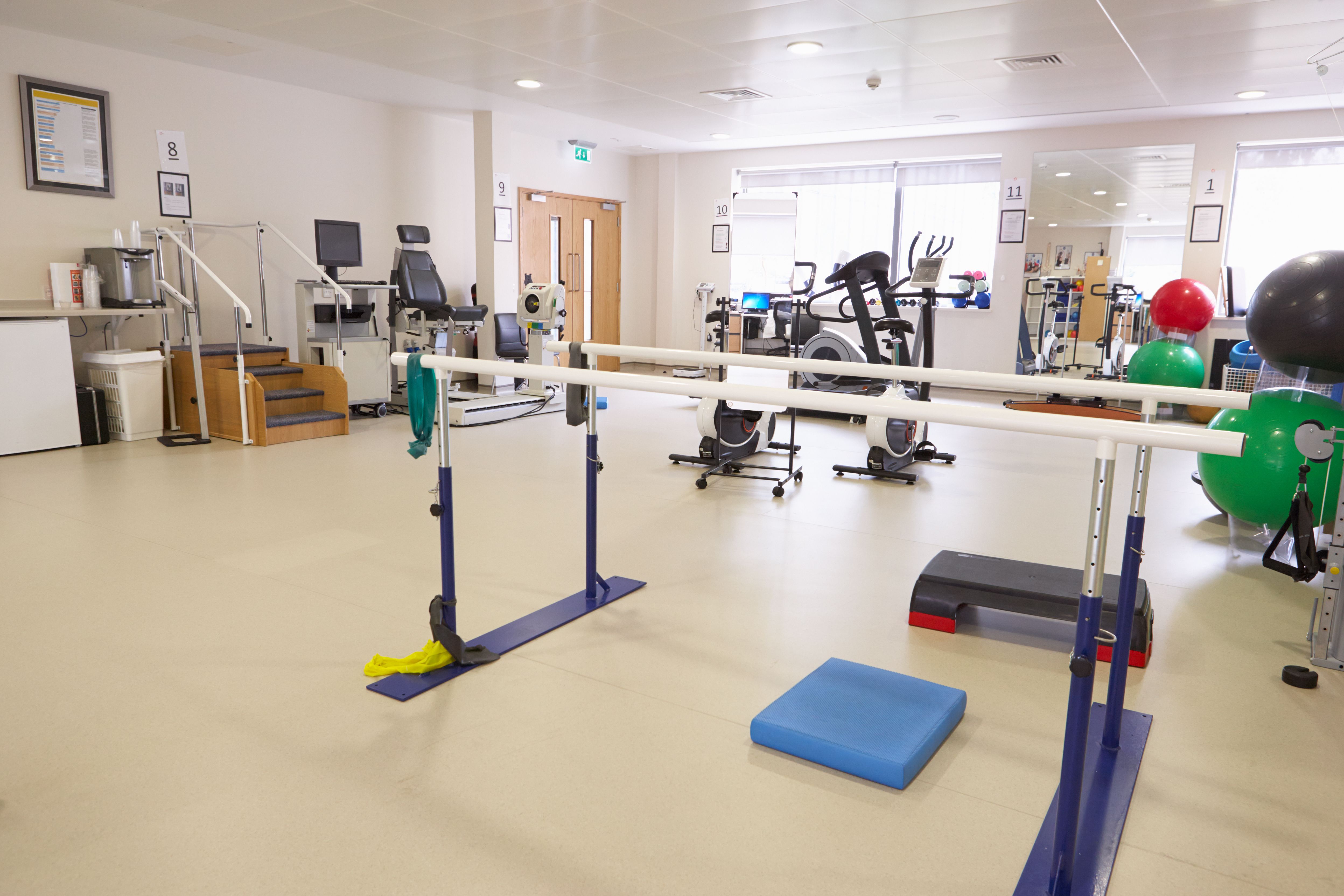
Comparing Outpatient and Inpatient Rehab
Choosing between outpatient and inpatient rehab depends on individual needs and circumstances. Here are some considerations:
- Severity of Addiction: Inpatient rehab is often recommended for severe cases.
- Support System: A strong support system at home may make outpatient rehab a viable option.
- Cost: Outpatient programs are typically more cost-effective.
- Commitment: Inpatient rehab requires a more significant time commitment.
Making the Right Choice
Deciding on a rehab program is a personal decision that should be made with the guidance of healthcare professionals. They can assess the severity of addiction and recommend the most suitable treatment option. Both outpatient and inpatient rehabs in New Hampshire are committed to helping individuals achieve long-term recovery.

Conclusion
Understanding the benefits of outpatient versus inpatient rehab allows individuals to choose the best path for their recovery journey. Whether opting for the flexibility of outpatient treatment or the immersive experience of inpatient care, the ultimate goal remains the same: achieving a healthier, addiction-free life.